The Story of Van Cleef & Arpels’ Ballerinas
Before the 1967 premiere of the Jewels ballet in New York City, dancer Suzanne Farrell and legendary choreographer George Balanchine went to Van Cleef & Arpels to meet the press. Some journalists reported that Claude Arpels had suggested the idea of a ballet based on jewels to Mr. Balanchine. Other stories said the choreographer’s daily walks on Fifth Avenue by the Van Cleef & Arpels’ window- display of treasures ignited the idea for the ballet.
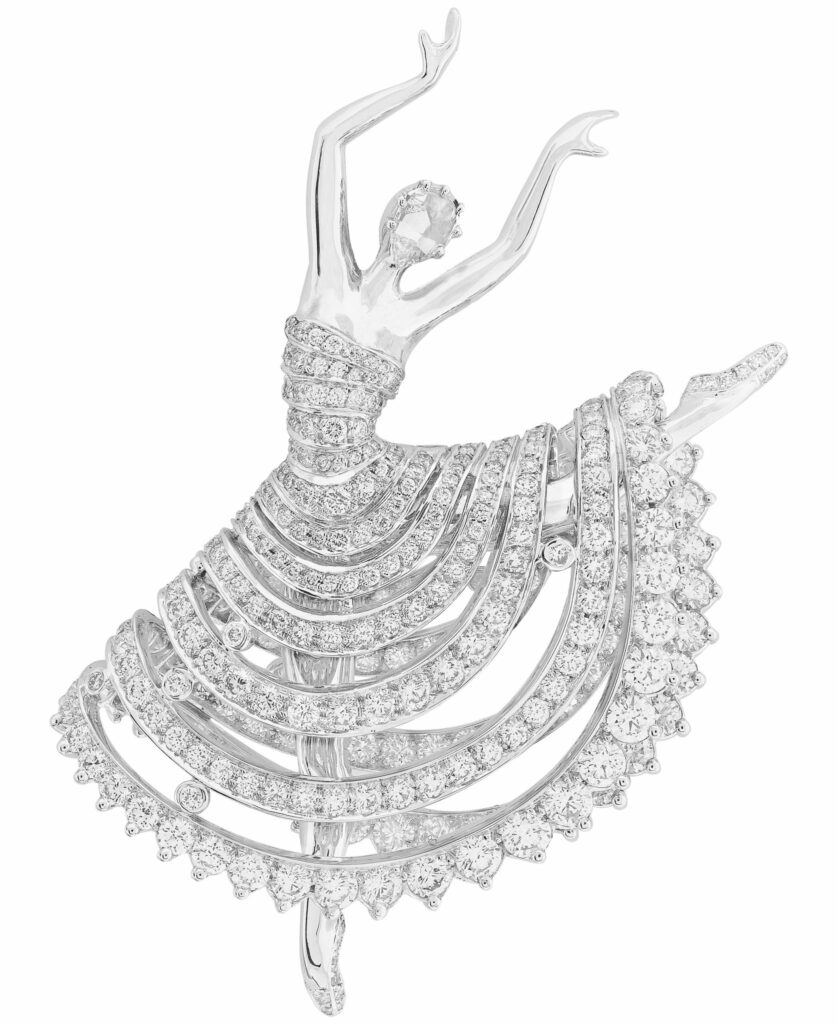
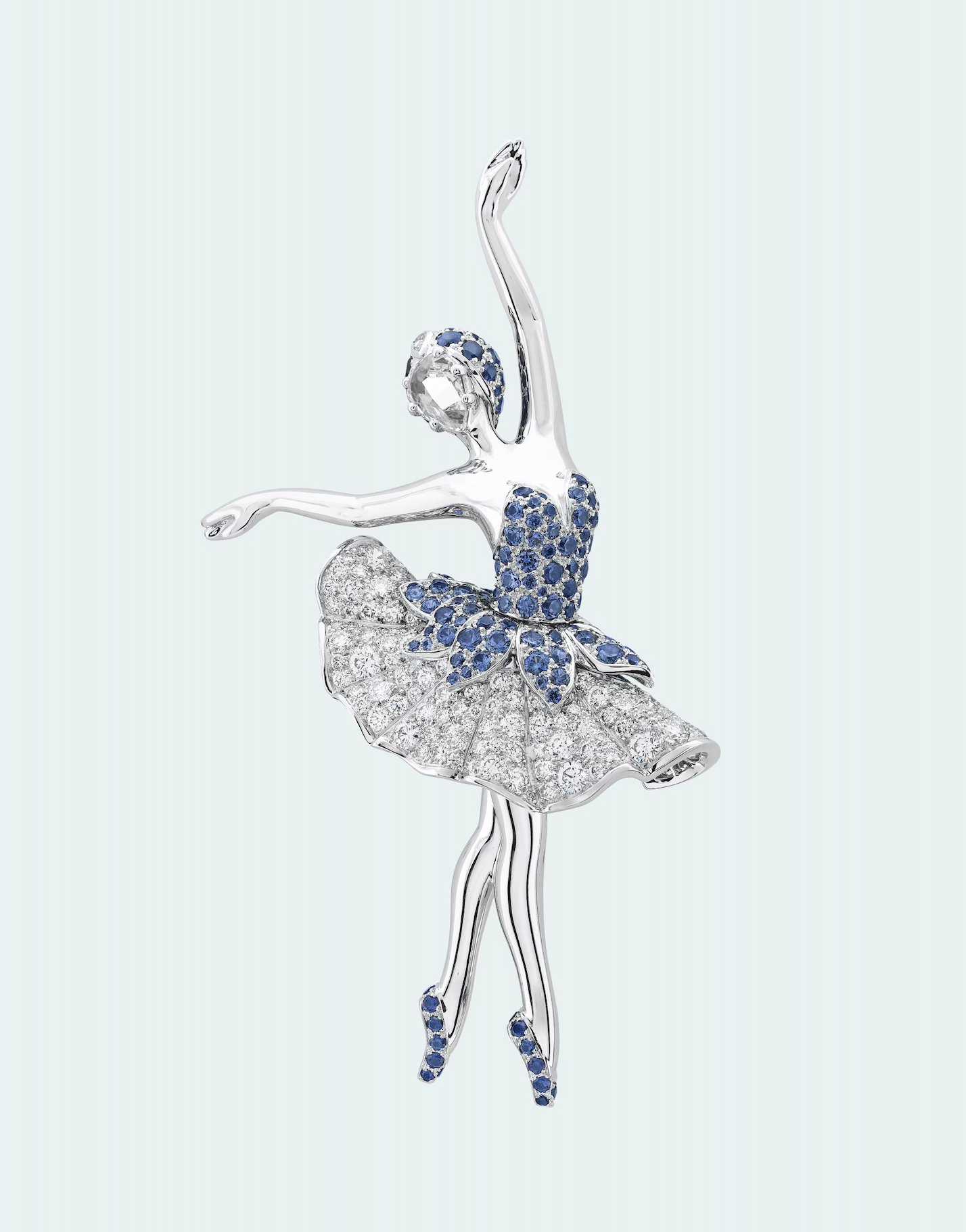
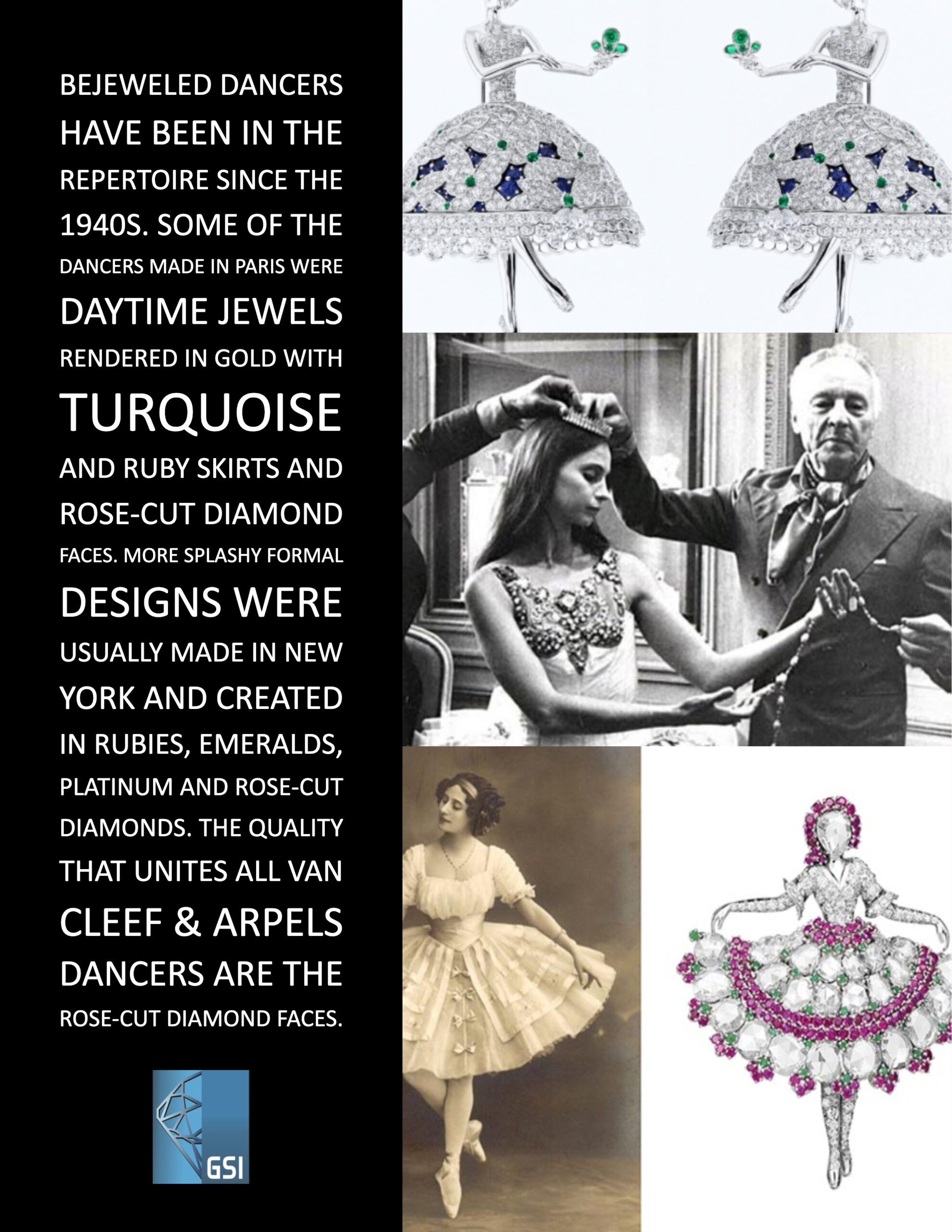
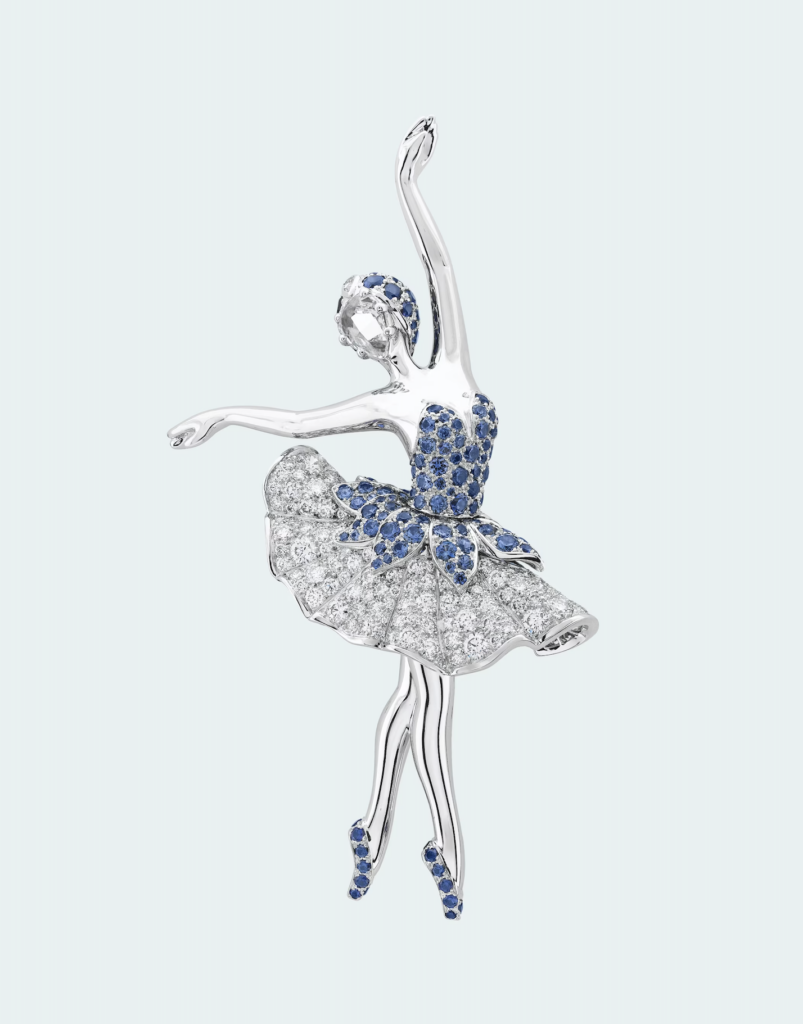
However, the ballet in three acts— Emeralds, Rubies and Diamonds—might very well have been inspired by Van Cleef & Arpels ballerina brooches. Some of the dancers made in Paris during the 1940s were daytime jewels rendered in gold with turquoise and ruby skirts and rose-cut diamond faces. More splashy formal designs were usually made in New York and created in rubies, emeralds, platinum and rose-cut diamonds. The quality that unites all Van Cleef & Arpels dancers are the rose-cut diamond faces.
About The Author
 Debbie Azar is the Co-Founder and President of Gemological Science International (GSI), one of the largest gemological organizations in the world, and a distinguished leader in the global diamond and jewelry industry. As an executive with extensive knowledge of the jewelry and gem lab industries, her entrepreneurial skills and vision have helped GSI achieve rapid and continuous growth worldwide, establishing 13 leading-edge gemological facilities on four continents. She currently serves on the boards of the Jewelers Vigilance Committee, Responsible Jewellery Council, and Jewelers for Children, and is a member of the 24 Karat Club of New York. She has been featured in Forbes, Daily Mail, Good Morning America, Bloomberg, Bloomberg Businessweek, Fox Business, Fox5, CBS2, BOLDTV, Varney&Co, The Street, and NASDAQ, among others.